
In this guide
You're trying to tell whether a melody is still intact after separation, and that question is easier when the tune is already familiar. A familiar line gives a fixed reference, so a smeared vowel, a dropped note, or a wrong octave stands out fast. This list uses six well-known melodies as listening tests, from a simple children's song to a bright synth chorus, and each one pairs a plain-language contour check with one Saturalabs prompt to try. Start with a file you have rights to use, name one audible source at a time, and compare the isolated result against the original before downloading.
1. Twinkle, Twinkle, Little Star
A simple melody makes a strong listening test because the contour is easy to follow. Twinkle, Twinkle, Little Star rises and falls in a clear, stepwise shape, so even a rough separation should keep its outline if the vocal line is still intact. The tune also has a long paper trail: it grew out of the French folk tune “Ah! vous dirai-je, maman”, later appeared in Mozart's K. 265 variations, and English lyrics by Jane Taylor appeared in 1806 (academic overview).

Listen for the contour, not just the words
Start with the melody shape. The line stays within a narrow range, so your ear can track the rise and fall even when the arrangement is spare. That makes it a good first check for pitch drift, because a weak separation often shows up as a wavering held note or a consonant that gets blurred by the backing sound.
Use a source with a clear unison line, then try the prompt “lead vocal” or “child singing voice” in Saturalabs. If your test file is a piano arrangement, run the line through Saturalabs piano extraction first, then compare the isolated melody against the original. A/B the opening four bars, then check the cadence as well, since those spots usually reveal whether the line still feels steady.
Practical rule: if the word “star” loses clarity, the output may still be usable, but it is probably not clean enough for a polished karaoke or practice stem.
For a karaoke-style test, isolate vocals and compare Background audio with the original line. For an acapella-style result, keep Isolated sound and check whether the final note stays centered instead of smearing into the accompaniment.
2. Ode to Joy
If you want a melody that still reads clearly in a crowded arrangement, this is a good test case. Ode to Joy follows a near-scale path, so the tune is easy to spot even when the orchestra fills the space around it. Beethoven placed it in the finale of his Ninth Symphony, which premiered in Vienna in 1824, and the line is set to Schiller's poem “An die Freude” from 1785 (historical overview). The shape is broad, stepwise, and memorable, so you can hear when the theme moves from strings to winds, brass, or voices without losing the line.

Name the source, then check the handoff
Use a narrow prompt such as “lead strings” or “chorus melody” instead of a broad request. In an orchestral setting, the same theme can move from one section to another, so the prompt should match the part you want to hear at that moment.
Start with the opening theme, then listen again where the line passes into a fuller texture. That handoff is where separation errors tend to show up, especially if brass or chorus overlap the melody. If the melody is sung, compare the string-led version with the choral entry before deciding which one keeps the tune easiest to follow.
The line can still sound recognizable when the separation is imperfect, but a recognizable result is not the same as a clean one.
For a practical check, compare Background audio against the isolated line and listen for the moment the tune shifts from strings to chorus. If the isolated file keeps the contour while the backing stays steady, the separation is doing its job. For a layered arrangement, Saturalabs stem splitter can help you test how well the melody survives inside the full mix.
3. Amazing Grace
Amazing Grace works well as a listening test because its melody moves in long phrases and settles on calm endings instead of quick runs. That gives you time to hear whether a separated voice still carries the line naturally, or whether the sound turns thin once the reverb is pulled back. The text was published by John Newton in 1779 in Olney Hymns, and the tune often paired with it, “New Britain,” is usually linked with later American hymnals.

Test the held notes first
Use a narrow prompt such as “lead vocal” rather than a broad request. The opening of this melody is quiet and sustained, so it reveals problems in the held vowels and at the ends of phrases, where a weak separation can leave the note sounding hollow or overly airy.
If the source has a lot of room sound, compare Isolated sound with Background audio before deciding which version helps most. A drier file can be better for transcription, while a version that keeps some natural space may feel easier to study as music.
If the breaths are clipped or the consonants vanish, the result may still work for practice, but it is not the right export for careful vocal work.
Keep the source quality as high as possible, because low-bitrate audio can make sustained vowels feel thin after separation. For worship practice, choral study, or a simple singing exercise, isolate the voice first, then do an A/B check against the original line before you download.
4. Summertime
A singer can make Summertime sound almost effortless, or expose every mismatch in the voice stem. Gershwin wrote it for Porgy and Bess in 1935, with lyrics by DuBose Heyward and Ira Gershwin. The melody moves with a slow sway and a blues color, so its flattened notes are easy to hear when separation blurs the line.
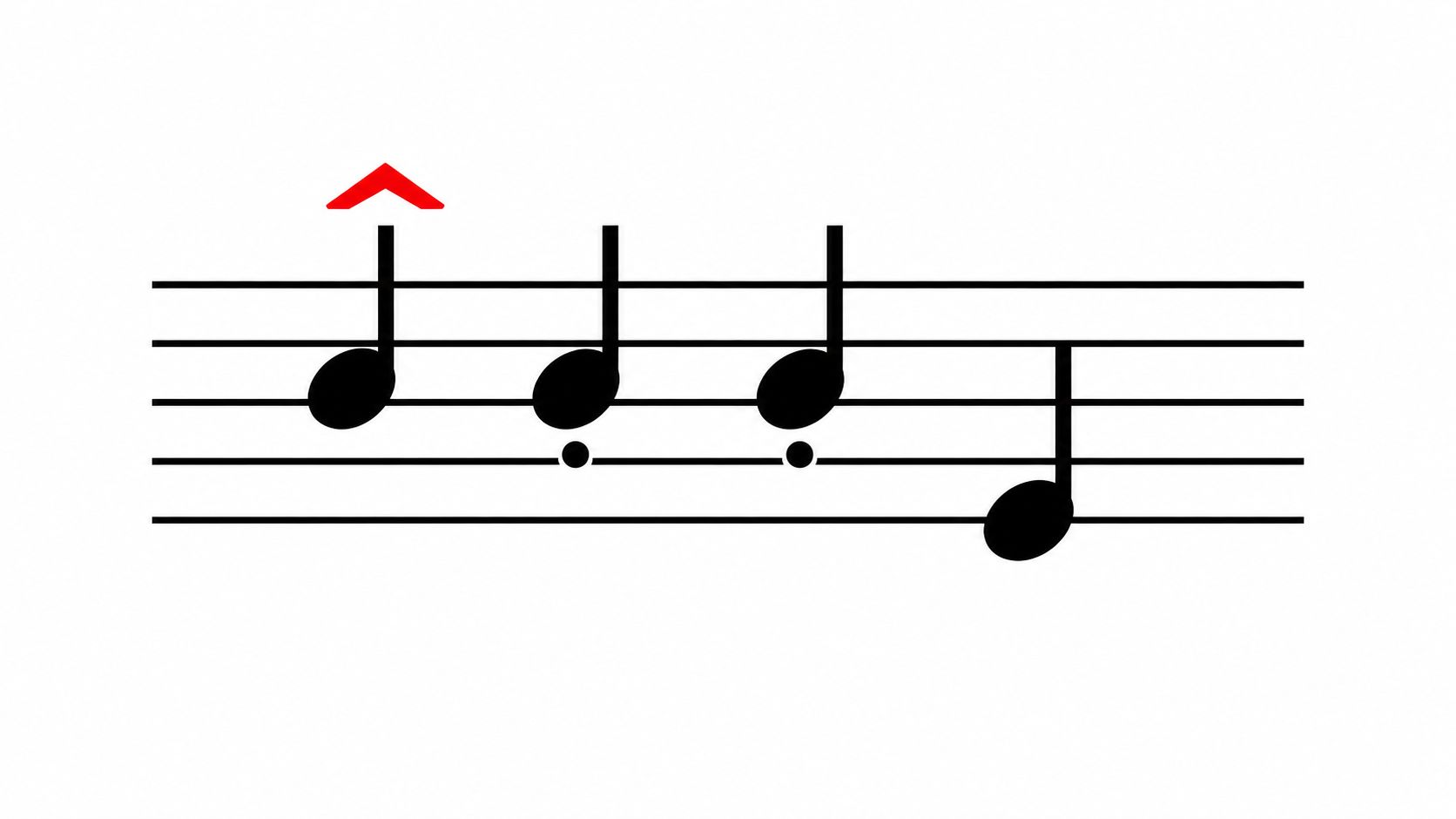
Let the blue notes tell you what survived
Use “lead vocal” first. Then A/B the slide into the opening blue note and the held ending of “summertime”, because that is where smoothing from source separation shows up first. If the pitch bend is flattened or the tail fades too early, the vocal is still present, but the contour is less faithful to the original.
A second pass with “piano” or “electric guitar” can help if the accompaniment is carrying too much of the phrase shape. That comparison matters here, because the melody is simple and the feeling comes from the way the notes bend against the harmony, not from a crowded arrangement.
The quiet phrase is the true test. A busy chorus can hide a weak separation result, but the long, open notes in Summertime make the problem obvious fast.
Before downloading, check that the file and intended use fit your rights, especially if you plan to publish or monetize the result. Also check the displayed credit cost in the tool before repeating the same pass on the phrase.
5. Beethoven's Fifth Symphony Motif
A listener may know the opening before the full symphony starts. The short-short-short-long motif is that clear. Beethoven premiered the symphony in Vienna in December 1808, and the four-note figure became one of the most recognizable motifs in Western music. The line works well as a test case because it is compact, sharply accented, and easy to compare against the original.
Focus on attack and timing
Use a prompt such as “opening four-note motif” or “first brass statement”. That keeps the test tied to the part carrying the figure, instead of asking for a broad instrument label that may pull in the wrong layer. If the opening attack is smeared, the motif still reads on paper, but it loses the snap that makes it clear.
Check the first two seconds first. Transients reveal separation damage fastest in this motif, so small timing slips or blurred attacks usually show up there before they show up anywhere else. If the line sounds rough, compare the same passage with a higher-quality source before blaming the separation alone.
A good A/B check is simple. Play the isolated result against the original, then listen only to the first two seconds and ask whether the opening still feels like the same gesture. If the attack is gone, the part may still be usable for reference, but it will be less dependable for practice or transcription.
This motif also helps in orchestral recordings where the figure moves between sections. A short excerpt is enough to show whether the tool keeps the contour stable or lets accompaniment leak into the target. For a cleaner check, keep Background audio available so the rest of the orchestra can act as a reference while you inspect the opening line.
6. Take On Me
Take On Me works well as a melody test case because the chorus jumps into a high register while the synth and vocal trace a similar contour. The single was released by the Norwegian band a-ha in 1984, written by Pål Waaktaar and Magne Furuholmen, with lead vocals by Morten Harket. That overlap makes it useful for checking whether a melody still reads clearly when two layers crowd the same space.
Check the leap, then check the layer split
Start with “synthesizer lead” and listen for the octave leap. Then switch to “lead vocal” and compare both results against Background audio on the same leap. The question is simple, which layer kept the line intact when the other part sat on top of it?
Falsetto passages can lose breathiness fast, so match the isolated vocal against the original at the same volume. That makes it easier to hear whether the result still sounds like the same performance or only a close copy.
A melody can stay recognizable and still be too rough for finished use.
If the source is a karaoke-style mix or a production stem, check the displayed credit cost before downloading and confirm that the file rights fit the intended use. For the backing-track workflow, the Saturalabs karaoke guide shows the relevant removal process.
Comparison of 6 Iconic Melodies
| Melody | Implementation complexity | Resource requirements | Expected outcomes | Ideal use cases | Key advantages |
|---|---|---|---|---|---|
| Twinkle, Twinkle, Little Star | Low, simple, stepwise phrase structure | Low, solo/unison vocal or clean classroom recordings; public-domain | Clear pitch and timing checks; minimal stress on separation models | Basic vocal isolation benchmarking, teaching pitch/timing | Very recognizable; simple contours; public-domain |
| Ode to Joy (Beethoven) | Medium–High, theme shifts among orchestra and choir | High, full orchestral/choral recordings or multitracks for best results | Melody identifiable but prone to orchestral bleed and blended timbres | Instrument isolation across timbres; score-to-sound comparison | Same theme across instruments; strong diatonic clarity; public-domain |
| Amazing Grace (New Britain) | Medium, sustained notes and expressive phrasing | Medium, solo voice or reverberant church recordings; public-domain | Sustained tones reveal smearing or loss of harmonics; reverb may persist | Vocal quality tests, breath phrasing and acapella isolation | Long held notes expose artifacts; widely arranged for comparisons |
| Summertime (Gershwin) | Medium–High, blues inflection, slides, variable arrangements | Medium–High, vocal-led jazz or band recordings; many copyrighted versions | Expressive slides and blue notes may be smoothed or distorted; varies by arrangement | Testing preservation of expressive pitch bends; vocal coaching | Distinctive blue notes and slides; many arrangement textures to compare |
| Beethoven's Fifth motif | Low, very short, rhythmically distinctive motif | Low–Medium, short orchestral or solo arrangements suffice; public-domain | Excellent for transient/attack checks; may lose crispness in dense mixes | Quick A/B timing and attack checks; transient accuracy tests | Extremely recognizable rhythmic pattern; ideal for fast checks |
| Take On Me (a-ha) | High, synth and falsetto vocal overlap, layered production | High, high-quality mixes or stems; commercial copyright considerations | Overlap often causes bleed or thinning; falsetto may lose breathiness | Production separation, synth vs. vocal disentangling, pop vocal practice | Tests separation with overlapping synth and vocal contours; clear octave leap challenge |
Turn Each Melody Into a Repeatable Listening Test
A familiar tune makes separation easier to judge because the listener already knows where the line should rise, settle, or resolve. Pick one melody you know well, run a single isolation pass with one named source, then compare Isolated sound with the original on the hardest phrase before downloading. That process works whether the target is a lead vocal, a solo instrument, or a melody buried in a dense arrangement, and it keeps the test focused on what survived.
Separation can leave artifacts, thin out wanted sound, or blur transitions between notes, so the output should be treated as a study aid rather than a finished stem. The safest habit is simple. Describe one audible source, audition a short excerpt first, and check the displayed credit cost before spending more credits on the full file. To test your own recording, open the Saturalabs audio isolation tool at Saturalabs and use a melody you already know by ear.
Saturalabs can isolate a voice or instrument that carries the melody, then let you compare Isolated sound with Background audio on the same passage. That makes it easier to hear whether the line stayed clear or picked up artifacts during separation. Visit Saturalabs to try a melody prompt on a file you already have rights to use.